The touchscreen MacBook Pro has just been launched, promising to revolutionize the way users interact with their laptops. This new feature is expected to enhance productivity and creativity for professionals and casual users alike.
What Makes the Touchscreen MacBook Pro Unique?
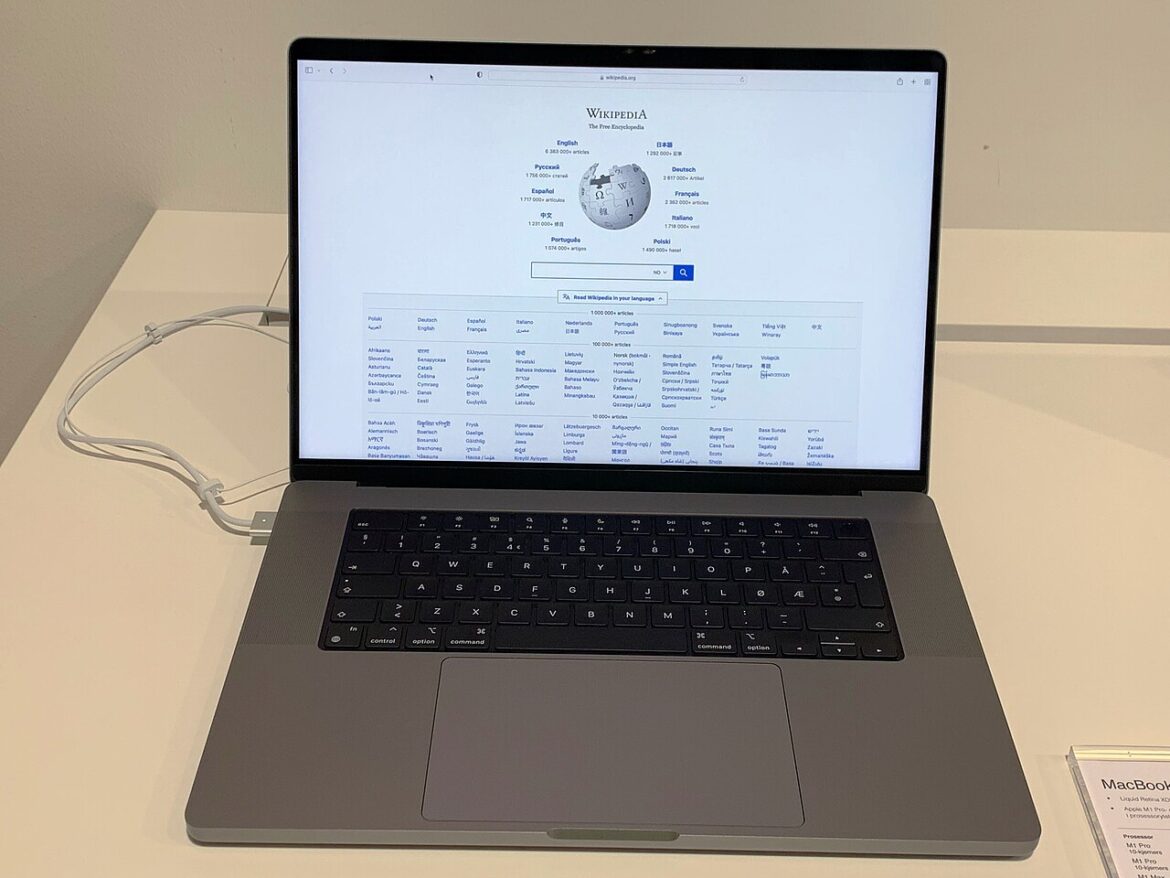
The newly launched touchscreen MacBook Pro sets itself apart from its predecessors with several innovative features that enhance user experience. Apple has integrated a high-resolution touchscreen display, allowing for more intuitive interactions and creative possibilities.
One of the standout aspects of the device is its Liquid Retina XDR display, which offers vibrant colors and stunning contrast ratios. This makes it ideal for graphic design, video editing, and other visually demanding tasks.
Additionally, the touchscreen MacBook Pro includes the latest M-series chip, providing improved performance and energy efficiency. Users can enjoy seamless multitasking and enhanced graphics capabilities, making it a powerful tool for both professionals and everyday users.
Another unique feature is the redesigned Touch Bar that now incorporates touchscreen functionality, allowing users to customize their workflow more than ever before. The new interface offers shortcuts, controls, and even app-specific features that adapt to user preferences.
In summary, the touchscreen MacBook Pro presents a compelling upgrade with its combination of cutting-edge technology, improved performance, and user-friendly design, setting a new standard in the laptop market.
Comparison with Previous MacBook Models
The introduction of the touchscreen MacBook Pro has sparked discussions about how it compares to previous MacBook models. Users who have relied on traditional MacBooks may find several distinguishing features that set the new model apart.
- Display Technology: The touchscreen MacBook Pro offers a vibrant OLED display, enhancing color accuracy and contrast. In contrast, previous models utilized standard LED screens, which lack this level of detail.
- Interface and Usability: The addition of touch capabilities allows for a more intuitive interaction. Older MacBook models primarily focused on trackpad and keyboard inputs, which can feel limiting to modern users.
- Performance: While many previous MacBook models featured powerful processors, the latest iteration of the touchscreen MacBook Pro boasts even faster chips, providing smoother performance and better multitasking capabilities.
- Design: The new model incorporates a sleeker design that aligns with current trends, whereas older versions had bulkier forms that may not appeal to younger consumers.
Overall, the touchscreen MacBook Pro represents a significant evolution, offering enhancements that could make it a preferred choice for both new and existing MacBook users.
User Reactions to the New Touchscreen Feature
Since the launch of the new touchscreen MacBook Pro, user reactions have been varied, with many expressing excitement over the innovative feature. Early adopters have taken to social media to share their thoughts, contributing to a lively discussion about the device’s capabilities.
Some users have highlighted the following benefits:
- Enhanced Productivity: Many believe that the touchscreen allows for a more intuitive workflow, enabling users to navigate applications with ease.
- Creative Potential: Artists and designers are particularly enthusiastic, noting that the touchscreen enhances their ability to create with precision.
- Improved Versatility: Users appreciate the flexibility that a touchscreen offers, making the device suitable for both work and leisure activities.
However, not all feedback has been positive. Some users have raised concerns regarding the learning curve associated with transitioning from traditional laptops to a touchscreen interface. Furthermore, a few loyal customers expressed disappointment, wishing Apple had focused more on other upgrades rather than this feature.
As discussions continue, it is clear that the touchscreen MacBook Pro is sparking interest and debate among the tech community.
Pros and Cons of the Touchscreen MacBook Pro
The introduction of the touchscreen MacBook Pro has sparked a debate among users and experts alike. As with any innovation, there are both pros and cons to consider.
- Pros:
- Enhanced Interactivity: The touchscreen feature allows for a more intuitive user experience, making navigation and tasks more fluid.
- Creative Potential: Artists and designers can benefit from direct manipulation of on-screen elements, providing a new dimension to creativity.
- Versatility: The dual functionality of a touchscreen and traditional keyboard offers users flexibility in how they interact with their device.
- Cons:
- Price Point: The touchscreen MacBook Pro comes with a higher price tag, which might deter budget-conscious consumers.
- Battery Life: Users have reported concerns about increased battery consumption due to the touchscreen technology.
- Learning Curve: For some, adapting to the touchscreen interface could be challenging, especially for those accustomed to traditional models.
Ultimately, the touchscreen MacBook Pro presents both exciting possibilities and practical challenges for potential buyers.
Future of Touchscreen Technology in Laptops
The future of touchscreen technology in laptops appears promising, especially with the recent launch of the touchscreen MacBook Pro. As manufacturers increasingly embrace this feature, we can expect several advancements that will enhance user experience and productivity.
One of the primary trends is the integration of more intuitive gestures and software optimizations that cater specifically to touchscreen interactions. This evolution will allow users to navigate applications with greater ease and precision. Additionally, as touchscreens become more prevalent, developers are likely to create applications that leverage this functionality, providing innovative solutions tailored for touchscreen devices.
Furthermore, advancements in screen technology, such as improved responsiveness and reduced glare, will enhance the usability of touchscreen laptops. With Apple’s entry into this market, competitors will likely accelerate their development efforts to keep pace.
In conclusion, the touchscreen MacBook Pro is not just a trend but a significant step toward redefining how users interact with laptops. As technology continues to evolve, we can anticipate a future where touchscreen features are standard across various devices, ultimately transforming the way we work and create.
via Wikimedia Commons