
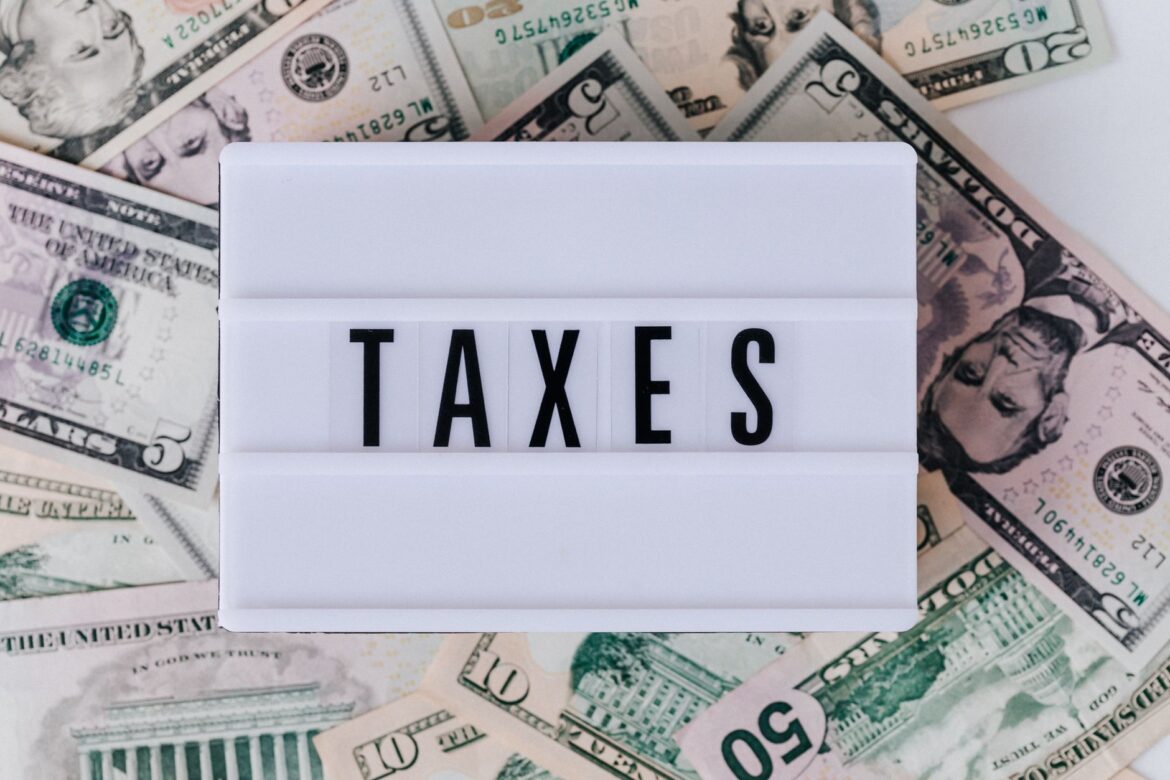
Rich tax policy is at the forefront of discussions, especially as Bill Gates argues it is the only solution to California’s financial challenges. This statement has stirred considerable debate among policymakers and the public alike.
Understanding the Rich Tax Policy
The recent debate surrounding California’s rich tax policy has sparked significant controversy among residents and policymakers alike. Advocates argue that this policy is essential for addressing income inequality, while opponents claim it disproportionately burdens the wealthy and may drive them out of the state.
Bill Gates has publicly stated that such policies are necessary, despite the uproar they have caused. He believes they represent a viable solution to fund critical public services, including education and healthcare. However, critics emphasize that the implementation of a rich tax could lead to unintended consequences, such as decreased investment in the state and job losses.
As California grapples with its financial challenges, the discussion around the rich tax policy continues, raising questions about the best path forward for equitable economic growth.
Bill Gates’ Perspective on Taxation
Bill Gates has recently weighed in on the controversial rich tax policy that has sparked considerable debate in California. He argues that such taxation is a necessary measure to address the growing wealth gap and fund essential public services. According to Gates, the uproar surrounding this policy reflects a misunderstanding of its potential benefits. He emphasizes that wealthier individuals should contribute more to society, ensuring that resources are allocated to those in need.
Gates believes that without implementing a fair rich tax policy, the state risks further exacerbating economic disparities. He points out that the backlash is often rooted in fear rather than a rational assessment of the long-term advantages. In his view, a properly structured rich tax can lead to greater equity and improved societal outcomes for all Californians.
The Impact of Rich Tax in California
The implementation of a rich tax policy in California has sparked significant debate among residents and economists alike. Critics argue that this approach disproportionately targets the wealthy, potentially driving high earners out of the state. As a result, the tax base may shrink, leading to reduced revenue in the long term.
Supporters, however, believe that a rich tax policy could provide essential funding for public services, such as education and healthcare. They argue that taxing the wealthiest individuals is a necessary step toward reducing income inequality. Despite these claims, many Californians express concerns over the potential negative consequences, including:
- Increased outmigration of affluent residents
- Decreased investment in local businesses
- Worsening economic conditions for middle and lower-income families
In the midst of this uproar, the future of California’s economy remains uncertain.
Public Reaction to Wealth Tax Proposals
In recent weeks, the public reaction to wealth tax proposals has been largely negative, as many California residents express their concerns over the rich tax policy. Local communities are worried about the implications such a tax would have on the already strained economy.
Numerous protests have emerged, with citizens voicing their discontent over the perceived unfairness of taxing the wealthy more heavily. Many argue that the rich tax policy could drive high-income earners out of the state, leading to a potential decrease in economic growth.
- Critics highlight potential job losses as businesses may relocate.
- Supporters argue that the tax could fund essential public services.
- Discussions about equitable taxation continue to divide opinions.
As the debate intensifies, Californians remain divided on the best path forward.
Alternatives to the Rich Tax
As California grapples with the challenges posed by the rich tax policy, experts suggest several alternatives that could alleviate the financial burden without igniting public outcry. These alternatives aim to create a more equitable taxation system while promoting economic growth. Some options include:
- Progressive Income Tax: Adjusting income tax rates based on earnings could ensure that wealthier individuals contribute a fair share without the stigma associated with a wealth tax.
- Increased Corporate Taxes: Raising taxes on corporations, particularly those with significant profits, could generate substantial revenue without directly targeting individuals.
- Property Tax Reforms: Modifying property tax assessments could provide a steady revenue stream while addressing housing affordability issues.
These solutions may offer a more balanced approach to taxation, moving away from the divisive rich tax policy.
Future of Tax Policies in America
As the debate over taxation evolves, the future of tax policies in America remains uncertain. The rich tax policy has sparked discussions about fairness and economic growth, yet critics argue it may not be the solution many hope for. Experts warn that implementing such policies could lead to unintended consequences, including capital flight and reduced investment in key sectors.
Many states are exploring alternative approaches that emphasize a wider tax base rather than targeting the wealthy alone. Innovative solutions could include reforms that address income inequality without penalizing success. The ongoing discourse suggests that a balanced tax strategy will be essential for sustainable economic development.
Ultimately, the path forward will likely involve a combination of ideas, incorporating lessons learned from the rich tax policy and public sentiment.
Photo by https://kaboompics.com/ on Pexels