SpaceX launch challenges are becoming increasingly pronounced in the satellite industry. Meridian Space’s CEO discusses the implications of these challenges and the future of satellite ownership.
Understanding the Launch Crunch
The space industry is currently facing significant hurdles, particularly related to the increasing demand for satellite launches. As the reliance on SpaceX for these missions grows, many companies are experiencing what has been termed a “launch crunch.” This phenomenon refers to the bottleneck caused by the high volume of satellites awaiting deployment and the limited availability of launch dates.
Several factors contribute to this challenging landscape:
- Increased demand: With the rise of satellite technologies, more companies are entering the market, leading to a surge in launch requests.
- Capacity limits: SpaceX, while prolific, has a finite number of rockets and launch pads, restricting how many missions can be executed in a given timeframe.
- Technical challenges: Each launch requires meticulous preparation, and any delays can cascade, affecting multiple upcoming missions.
As stakeholders in the industry discuss these issues, the importance of diversifying launch providers becomes increasingly clear. Addressing the SpaceX launch challenges will be crucial for ensuring that all companies can meet their satellite deployment goals.
The Role of SpaceX in Satellite Ownership
SpaceX has significantly changed the landscape of satellite ownership and deployment. With its ability to provide cost-effective launch services, the company has become a key player for many organizations looking to place their satellites into orbit. However, this dependency on SpaceX also brings challenges.
Meridian Space CEO highlighted that many companies face the “launch crunch,” which is a direct result of increasing demand for satellite launches. As more businesses enter the space sector, the competition for available launch slots intensifies. This creates a bottleneck, leading to delays and increased costs.
Moreover, the reliance on a single provider like SpaceX raises concerns about availability and reliability. If one launch encounters issues, it can have a cascading effect on multiple satellite deployments. Companies must consider the implications of this dependency while planning their missions.
- Cost Efficiency: SpaceX offers competitive pricing.
- Launch Delays: Increased demand can lead to longer wait times.
- Reliability Risks: Heavy reliance on one launch provider presents risks.
Addressing these launch challenges will be essential for the future of satellite ownership and deployment.
Future of Satellite Launches
The future of satellite launches is increasingly intertwined with the challenges faced by SpaceX. As the demand for satellite deployment rises, the industry is confronted with several hurdles that could impact the pace and efficiency of launches.
One significant challenge is the limited availability of launch slots. With numerous companies vying for SpaceX’s services, the competition for timely access to orbital launches is fierce. This situation has led to a backlog of satellites waiting for deployment, causing concerns about the overall capacity of the launch market.
Additionally, regulatory hurdles and the need for compliance with international laws complicate the launch process. Companies must navigate a complex web of approvals, which can delay missions and increase costs.
Furthermore, the reliability of rocket technology remains a critical factor. While SpaceX has made significant advancements, any setbacks in rocket launches could further exacerbate existing launch challenges in the satellite industry.
In conclusion, as the demand for satellite launches grows, the future will depend heavily on how SpaceX addresses these ongoing launch challenges.
Insights from Meridian Space CEO
In a recent interview, the CEO of Meridian Space shared valuable insights into the current landscape of satellite launches and the challenges faced by companies like SpaceX. According to him, the heavy reliance on SpaceX for launches has created a unique set of launch challenges that the aerospace industry must navigate.
He emphasized the following key points:
- Capacity Constraints: With increasing demand for satellite launches, SpaceX’s capacity is being tested, leading to potential delays.
- Cost Variables: Rising costs in materials and labor are affecting launch prices, making it difficult for new entrants to compete.
- Technological Hurdles: As rockets become more complex, ensuring reliability and safety remains a top priority, which can slow down launch schedules.
- Market Saturation: With many players entering the space, the competition for slots in launch schedules is fiercer than ever.
The CEO concluded that addressing these launch challenges is crucial for a sustainable future in the satellite industry.
Navigating Industry Challenges
As the space industry evolves, SpaceX launch challenges have become increasingly prominent. The company, known for its innovative approach and ambitious goals, faces several hurdles that could impact its operations and the broader aerospace sector.
One significant challenge is the growing competition in satellite launches. With numerous companies entering the market, SpaceX must continually enhance its capabilities to maintain its leading position. This competitive landscape has led to increased pressure on launch schedules and resources.
Additionally, regulatory hurdles present another obstacle. As governments around the world impose stricter guidelines, SpaceX must navigate the complex landscape of compliance while ensuring timely launches. This requires not only technical adjustments but also strategic planning and collaboration with regulatory bodies.
Moreover, supply chain vulnerabilities have been exposed, particularly in light of recent global events. Delays in obtaining necessary components can lead to cascading effects on launch timelines, creating a ripple effect across the industry.
Addressing these challenges is crucial for SpaceX to sustain its pivotal role in the evolving landscape of space exploration.
One of the key SpaceX launch challenges includes ensuring the reliability of their rocket systems under extreme conditions. Additionally, SpaceX launch challenges are compounded by the need for rapid turnaround times between missions.
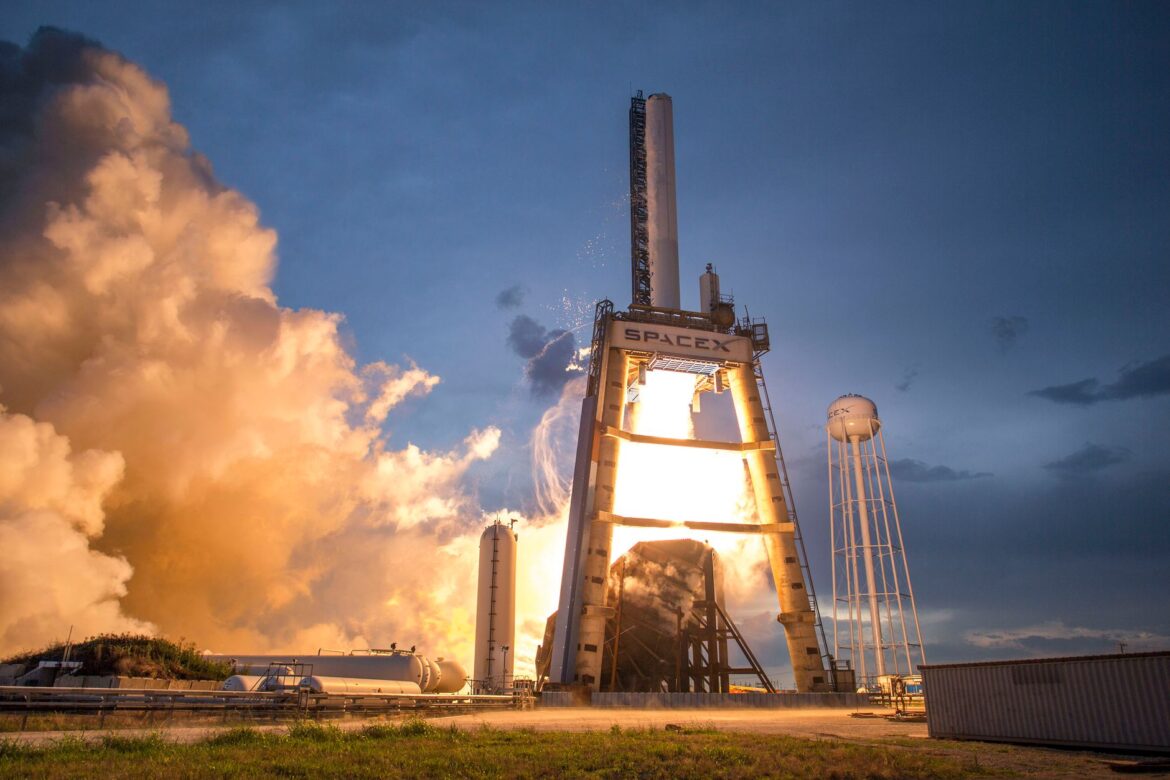
Photo by SpaceX on Pexels