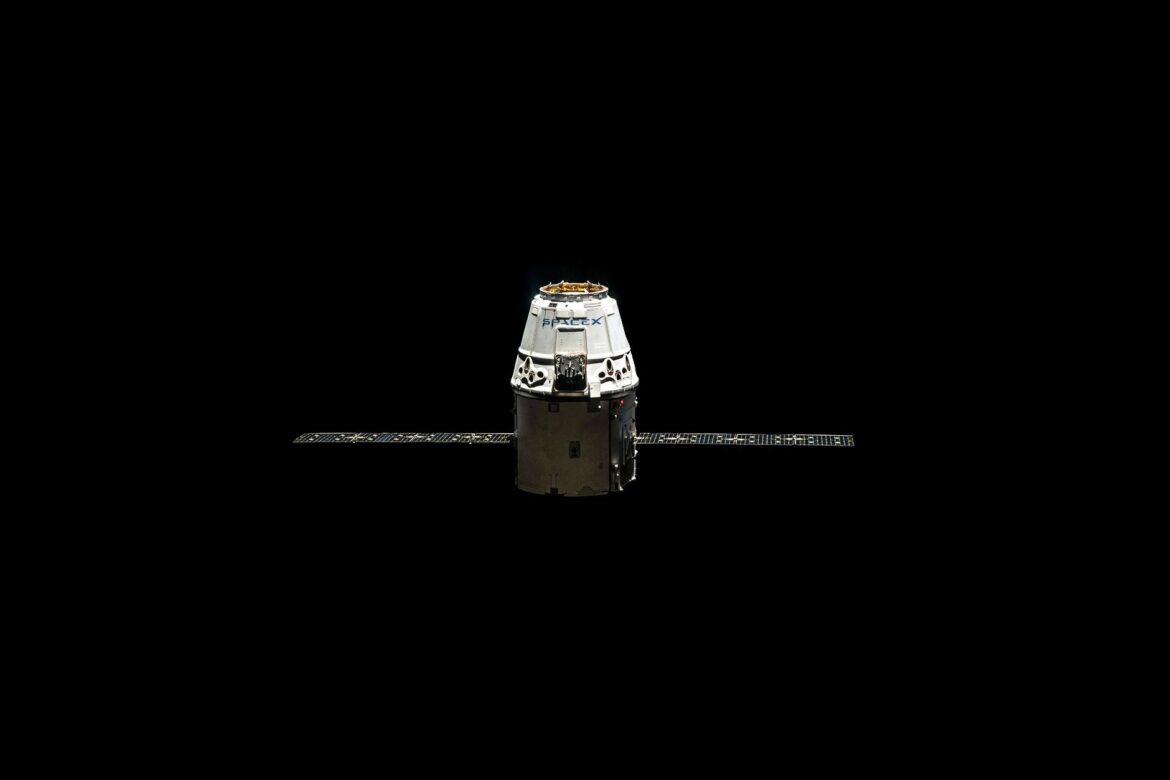
SpaceX Starship return has made history with its first successful return from orbit to the launch pad. This monumental event showcases the progress in space travel technology and the potential for future missions.
Overview of SpaceX Starship’s mission
SpaceX’s Starship program has reached a significant milestone with its successful return from orbit, marking a pivotal moment in space exploration. This mission not only showcased the capabilities of the Starship but also highlighted the potential for future interplanetary travel.
The Starship’s primary objectives included:
- Testing reusability: Demonstrating that the spacecraft can safely return to its launch pad after a mission.
- Data collection: Gathering critical information about the vehicle’s performance during ascent and re-entry.
- Public engagement: Captivating the imagination of space enthusiasts and fostering interest in space travel.
The successful Starship return is being hailed as a benchmark in the quest for sustainable space missions. With this achievement, SpaceX has set a foundation for future missions to the Moon, Mars, and beyond. As the world watches, the implications of this milestone resonate throughout the aerospace industry, sparking discussions about the future of human spaceflight.
Significance of the successful return
The successful return of SpaceX Starship marks a pivotal moment in space exploration. Achieving a safe return from orbit is a significant milestone that builds on decades of aerospace advancements. The implications of this achievement extend far beyond the immediate success of the mission.
Firstly, the SpaceX Starship return demonstrates the viability of reusable spacecraft, which could drastically reduce the cost of space travel. This advancement may pave the way for more frequent missions and expanded human presence in space.
Secondly, the event showcases the potential for interplanetary travel, particularly missions to Mars. With a reliable means of returning from orbit, SpaceX is one step closer to realizing Elon Musk’s vision of a human colony on the Red Planet.
Moreover, this successful return inspires a new generation of engineers and scientists, fueling interest in STEM fields. The achievement also encourages international collaboration, as space exploration increasingly becomes a global endeavor.
In summary, the significance of the successful return cannot be overstated; it may indeed be one of the best moments in space history.
Technological advancements in rocket design
The successful return of SpaceX Starship marks a significant leap in technological advancements in rocket design. This achievement not only highlights the capabilities of reusable spacecraft but also sets a new standard for future missions.
SpaceX has integrated several innovative features into the Starship, which contribute to its success:
- Reusability: The design allows for multiple uses, drastically reducing costs associated with space travel.
- Composite materials: Advanced materials have been employed to enhance durability and performance during re-entry.
- Autonomous landing technology: This allows for precise landings, ensuring that rockets can return safely to the launch pad.
- Increased payload capacity: Starship can carry significant amounts of cargo, paving the way for expansive missions beyond Earth.
The success of the SpaceX Starship return signifies not just a triumph for the company, but potentially a transformative moment in the history of space exploration. As technology continues to evolve, the future of space travel looks brighter than ever.
Future implications for space travel
The recent SpaceX Starship return marks a pivotal moment for the future of space travel, opening up new possibilities for exploration beyond Earth’s atmosphere. As the first fully integrated launch and landing system, this successful mission serves as a blueprint for future spacecraft designs.
With reliable reusable rockets, the costs associated with space missions can be significantly reduced, encouraging both governmental and private investments in space exploration. The implications of this technology extend far beyond just launching satellites or resupplying the International Space Station; it sets the stage for potential manned missions to Mars and beyond.
In the coming years, we may see:
- Increased frequency of space missions, making space more accessible to various industries.
- Enhanced collaboration between international space agencies and private companies.
- Innovative research opportunities that could lead to breakthroughs in science and technology.
Ultimately, the successful return of SpaceX’s Starship may be just the beginning of a new era in space exploration.
Public reaction to the historic event
The recent SpaceX Starship return has sparked a wave of enthusiasm and excitement among the public. Many space enthusiasts and casual observers alike took to social media to express their awe at the successful landing. Videos of the Starship descending through the atmosphere and touching down on the launch pad were shared widely, garnering millions of views.
Among the reactions, several notable figures in the aerospace community praised SpaceX for their innovative approach. “This is a monumental achievement for space exploration,” said Dr. Jane Foster, an aerospace engineer. “It opens up new possibilities for human spaceflight and exploration.”
The sentiment was echoed by many, with fans organizing watch parties and online discussions to celebrate the event. A recent poll conducted by a popular science magazine revealed that over 75% of respondents believe the SpaceX Starship return marks a defining moment in space history.
As more people engage with the advancements in space technology, the excitement surrounding this event may inspire a new generation to dream of careers in the aerospace sector.
Comparing SpaceX with other space agencies
The recent SpaceX Starship return has sparked a renewed interest in the achievements of various space agencies around the world. While SpaceX has made significant strides in reducing the cost of space travel and enhancing reusability, other organizations continue to contribute to the advancement of space exploration in unique ways.
For instance, NASA has focused on deep space exploration, with missions like Artemis aiming to return humans to the Moon and eventually march towards Mars. Similarly, the European Space Agency (ESA) has been pivotal in international collaboration, often providing valuable scientific research and satellite technology.
Additionally, China’s space program has rapidly advanced, achieving milestones such as the successful landing of the Tianwen-1 rover on Mars and the establishment of a modular space station. Each agency plays a vital role in the global space race, pushing the boundaries of what is possible.
As we celebrate the SpaceX Starship return, it is essential to recognize how these diverse efforts collectively shape the future of humanity in space.
Next steps for SpaceX and Starship
As SpaceX celebrates the historic return of its Starship, the company is already shifting focus to the next steps in its ambitious plan for space exploration. The successful return marks a significant achievement, but it is only the beginning of an extensive development phase aimed at refining the spacecraft’s capabilities.
In the coming months, SpaceX will conduct a series of tests to assess the durability of the Starship after its return from orbit. Elon Musk, the company’s CEO, emphasized the importance of gathering data during these tests to ensure safety and reliability for future missions.
Additionally, SpaceX plans to ramp up production to meet the increasing demand for space travel. This includes:
- Enhancing the Starship design based on test outcomes.
- Expanding the fleet for crewed missions to the Moon and Mars.
- Collaborating with international space agencies for joint missions.
Ultimately, the focus will remain on ensuring that the SpaceX Starship return is not just a milestone but a stepping stone toward interplanetary travel and exploration.
The SpaceX Starship return marks a significant milestone in the evolution of space travel. Many experts argue that this SpaceX Starship return could redefine humanity’s relationship with the cosmos.
Photo by Pixabay on Pexels