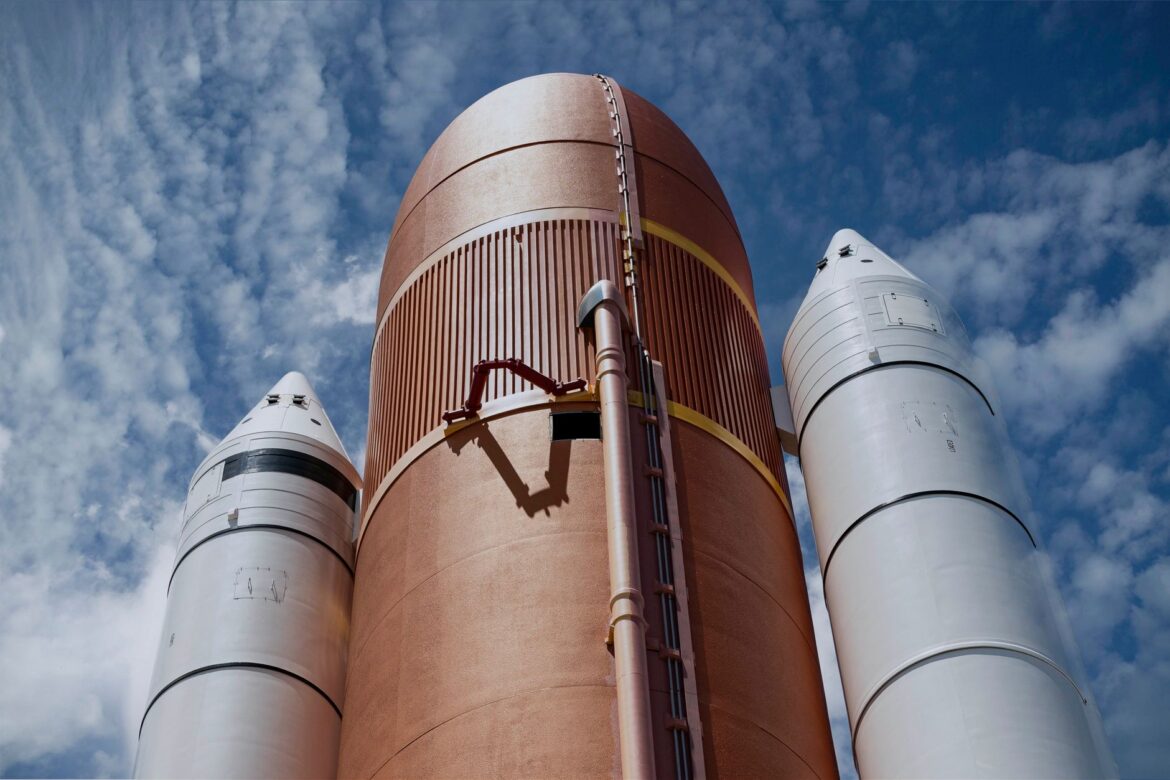
ULA Vulcan rocket is gearing up for its much-anticipated return to flight, carrying 40 Amazon satellites. This mission marks a significant step forward in space technology and satellite deployment.
Overview of ULA Vulcan rocket
The ULA Vulcan rocket marks a significant advancement in space launch technology, particularly with its upcoming mission featuring 40 Amazon satellites. This mission is set to demonstrate the rocket’s capabilities and reliability as it prepares for its return to flight after extensive development and testing phases.
The Vulcan rocket is designed to provide enhanced performance and cost-effectiveness, making it a competitive option in the commercial launch market. Its unique features include:
- Innovation in Design: The Vulcan utilizes cutting-edge materials and engineering techniques to optimize its payload capacity.
- Reusable Components: It incorporates reusable first-stage engines, which aim to reduce launch costs and improve sustainability in space exploration.
- Advanced Technology: The rocket is equipped with state-of-the-art avionics and propulsion systems, ensuring precise navigation and control during flight.
With its ability to deliver large payloads to various orbits, the ULA Vulcan rocket is poised to fulfill a vital role in supporting commercial ventures, such as Amazon’s satellite constellation. This constellation is intended to provide global internet coverage, showcasing the potential of space technology to enhance connectivity worldwide.
As ULA prepares for this critical launch, the aerospace community awaits the Vulcan rocket’s performance with great anticipation, eager to witness its capabilities in action.
Significance of Amazon satellites
The deployment of Amazon satellites is a significant milestone in the ongoing evolution of satellite technology and space exploration. The integration of these satellites with the ULA Vulcan rocket marks a pivotal moment not just for United Launch Alliance, but also for the broader telecommunications landscape.
Amazon’s satellite constellation aims to provide global broadband internet service, particularly in underserved areas. This initiative, known as Project Kuiper, is designed to bridge the digital divide and ensure that more people have access to reliable internet connections. The collaboration with ULA for the launch of these satellites emphasizes the growing partnership between private companies and established aerospace entities.
Some key points regarding the significance of Amazon satellites include:
- Global Connectivity: The satellites will enhance internet access for millions, facilitating educational and economic opportunities in remote regions.
- Innovation in Technology: Project Kuiper represents cutting-edge advancements in satellite technology, showcasing Amazon’s commitment to innovation.
- Job Creation: The project is expected to create numerous jobs, not only within Amazon but also in the aerospace and technology sectors.
- Collaboration: The launch with the ULA Vulcan rocket highlights the importance of collaboration between tech giants and aerospace firms.
Overall, the successful launch of Amazon’s satellites with the ULA Vulcan rocket could redefine how internet services are delivered worldwide.
Upcoming launch details for ULA Vulcan
The upcoming launch of the ULA Vulcan rocket is generating significant excitement in the aerospace community. Scheduled for liftoff in the coming months, this mission marks a pivotal moment for United Launch Alliance as it returns to flight with a payload of 40 Amazon satellites. These satellites are part of Amazon’s Project Kuiper, aimed at providing global internet coverage.
The ULA Vulcan rocket will be launched from Cape Canaveral Space Force Station, a location known for its rich history in space exploration. This mission is particularly important as it demonstrates ULA’s commitment to advancing its launch capabilities while supporting innovative projects like Project Kuiper.
Key details about the launch include:
- Launch Date: Tentatively slated for early next year, with exact timing dependent on final preparations and weather conditions.
- Launch Vehicle: The ULA Vulcan rocket, designed to be both powerful and cost-effective, will utilize cutting-edge technology to ensure a successful deployment of the satellites.
- Payload: Forty Amazon satellites, each equipped to deliver high-speed internet services to underserved areas worldwide.
This mission not only underscores the capabilities of the ULA Vulcan rocket but also highlights the growing collaboration between governmental and commercial entities in the quest for expanded global connectivity.
Challenges faced in rocket launches
The journey to successful rocket launches, including the highly anticipated ULA Vulcan rocket, is often fraught with challenges that can impact timelines and missions. Understanding these obstacles is crucial for both the industry and the public.
One significant challenge is the complex engineering required to integrate new technologies into existing rocket designs. The ULA Vulcan rocket, designed with state-of-the-art innovations, must ensure that each component functions flawlessly under the extreme conditions of launch. This integration process is not only time-consuming but also necessitates rigorous testing to prevent failures that could jeopardize missions.
Another challenge involves supply chain disruptions, which have become increasingly common. The recent global events have affected the production and delivery of key components needed for the ULA Vulcan rocket. Delays in obtaining necessary materials can push back launch schedules and increase costs, placing additional pressure on ULA and its partners.
Moreover, regulatory hurdles can pose significant complications. The ULA Vulcan rocket must meet strict safety and environmental standards set by authorities, which can lead to lengthy approval processes. Each launch also requires coordination with various agencies to ensure compliance with airspace regulations.
Finally, weather conditions remain an unpredictable factor. Adverse weather can lead to last-minute launch scrubs, further complicating the timeline for ULA’s missions, including those carrying Amazon satellites.
Photo by john mckenna on Pexels