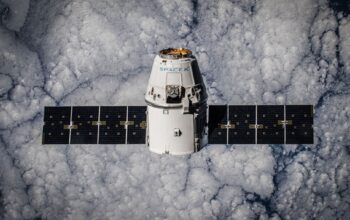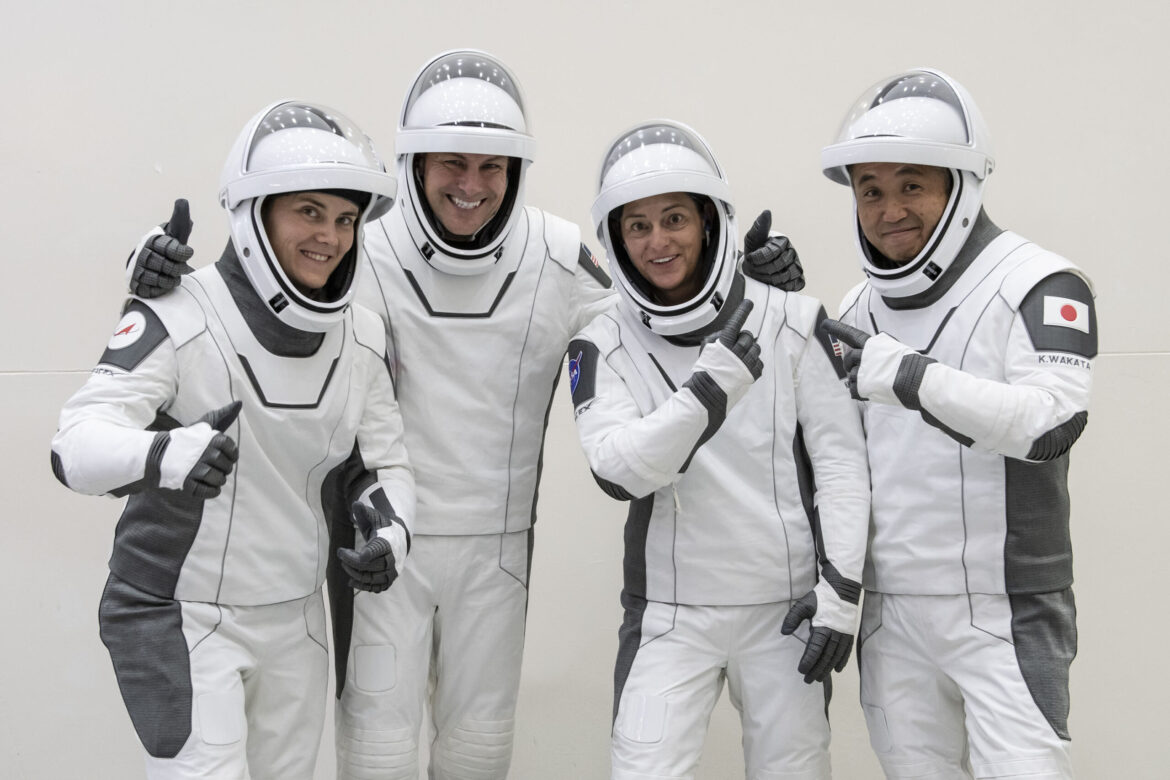
NASA SpaceX Crew-13 is a groundbreaking mission that has successfully launched four astronauts into orbit. This mission marks a significant milestone in space exploration and collaboration between NASA and SpaceX.
Overview of NASA SpaceX Crew-13
The NASA SpaceX Crew-13 mission marks a significant milestone in the realm of space travel. Launched on November 10, 2021, this mission continues to push the boundaries of human exploration beyond Earth. The Crew-13 spacecraft, a part of NASA’s Commercial Crew Program, successfully transported four astronauts to the International Space Station (ISS) for an extended stay of six months.
This mission is particularly noteworthy as it represents a collaborative effort between NASA and SpaceX, highlighting the effectiveness of public-private partnerships in advancing space exploration. The astronauts aboard Crew-13 include:
- Mark T. Vande Hei – NASA, mission commander
- Thomas Marshburn – NASA, pilot
- Kayla Barron – NASA, mission specialist
- Matthias Maurer – ESA, mission specialist
During their six-month mission, the Crew-13 astronauts will conduct a variety of scientific experiments, contributing to our understanding of life in space and paving the way for future missions to the Moon and Mars. In addition to research, they are set to perform maintenance and upgrades to the ISS, ensuring its continued operation as a hub for international space collaboration.
The successful launch and operation of the NASA SpaceX Crew-13 mission signifies a new era of human spaceflight, demonstrating the potential for sustainable human presence in low Earth orbit.
The Astronauts on Board
The NASA SpaceX Crew-13 mission marks a significant milestone in space travel, not just for its technological achievements, but also for the talented astronauts aboard. This mission features a diverse crew, each bringing unique expertise and experience to the International Space Station (ISS).
The four astronauts on board are:
- Mark T. Vande Hei: A veteran astronaut with extensive experience in long-duration space missions, Vande Hei aims to contribute valuable research during the Crew-13 mission.
- Thomas Marshburn: A seasoned physician and veteran of previous spaceflights, Marshburn will oversee various scientific experiments and maintain the crew’s health while in orbit.
- Kjell N. Nilsen: A newcomer to space travel, Nilsen is excited to support the Crew-13 mission’s objectives and engage in groundbreaking research that could benefit life on Earth.
- Aki Hoshide: With multiple missions under his belt, Hoshide is a crucial part of the team, focusing on technology demonstrations and the advancement of international collaboration in space exploration.
Together, these astronauts represent the spirit of discovery and innovation that characterizes the NASA SpaceX Crew-13 mission. Their collective efforts will not only advance scientific knowledge but also inspire future generations to explore the final frontier.
Mission Objectives and Goals
The NASA SpaceX Crew-13 mission is designed to advance scientific research and international collaboration in space. The objectives of this mission are multifaceted, with an emphasis on conducting critical experiments aboard the International Space Station (ISS) and furthering our understanding of long-duration spaceflight.
Among the primary goals of the Crew-13 mission are:
- Scientific Research: Crew-13 aims to conduct over 200 experiments and technology demonstrations, focusing on areas such as biology, human physiology, and materials science. These studies will help scientists understand the effects of microgravity on various biological processes.
- International Collaboration: The mission embodies a spirit of cooperation, bringing together astronauts from different countries to work towards shared goals in space exploration. This partnership enhances diplomatic relations and promotes global scientific endeavors.
- Technology Advancement: The Crew-13 mission will test new technologies that could be pivotal for future deep-space exploration, including potential missions to Mars. Innovations developed during this mission may lead to sustainable life support systems and improved spacecraft designs.
- Education and Outreach: Engaging with the public and inspiring future generations is a key goal. Crew-13 will include educational initiatives aimed at students and young aspiring scientists, fostering interest in STEM fields.
Through these objectives, the NASA SpaceX Crew-13 mission represents a significant milestone in the ongoing journey of humanity in space.
Significance of the Dragon Milestone
The NASA SpaceX Crew-13 mission marks a significant milestone in the evolution of space travel, showcasing the successful collaboration between governmental space agencies and private aerospace companies. This mission not only highlights the advancements in technology but also emphasizes the importance of sustainable human presence in low Earth orbit.
One of the key significance of the Dragon milestone lies in its demonstration of reliability. The Crew Dragon spacecraft has been proven to deliver astronauts safely to the International Space Station (ISS) and return them to Earth, establishing a new standard for crewed space flights. This reliability fosters confidence in future missions, paving the way for more ambitious explorations beyond our planet.
Furthermore, the Crew-13 mission serves as a critical step towards NASA’s Artemis program, which aims to return humans to the Moon and eventually send crewed missions to Mars. By utilizing the experience and data gathered from this mission, NASA and SpaceX are better positioned to tackle the challenges of deep space exploration.
In addition, the continuous operation of the ISS, supported by missions like Crew-13, is essential for conducting scientific research in microgravity. This research can lead to breakthroughs in various fields, including medicine, materials science, and Earth observation.
Overall, the NASA SpaceX Crew-13 mission is not just a success for its participants but a monumental achievement for the future of space exploration.
Challenges Faced During Launch
The launch of NASA SpaceX Crew-13 was not without its challenges, as the team faced several obstacles leading up to and during the mission. These challenges tested the resilience and ingenuity of the crew and support teams alike.
- Weather Conditions: Prior to the launch, the team had to monitor unpredictable weather patterns that posed a risk to the scheduled liftoff. High winds and cloud cover threatened to delay the mission, but the team remained optimistic, making real-time adjustments based on forecasts.
- Technical Glitches: During final pre-launch checks, minor technical issues arose with the Falcon 9 rocket. Engineers quickly identified and resolved these glitches, ensuring that all systems were functioning optimally before the countdown began.
- Crew Training: The astronauts underwent rigorous training to prepare for potential emergencies during the flight. This included simulations of various scenarios, allowing them to develop quick problem-solving skills that would be crucial during the mission.
- Public Expectations: With the spotlight on NASA SpaceX Crew-13, the pressure was on for the mission to succeed. The team was aware that the success of this flight would contribute to the ongoing narrative of commercial space travel and inspire future generations.
Despite these challenges, the launch was a resounding success, marking a significant milestone in the history of space exploration.
Future of SpaceX and NASA Collaborations
The collaboration between NASA and SpaceX continues to evolve, promising exciting advancements in space travel and exploration. As the successful launch of NASA SpaceX Crew-13 demonstrates, the partnership is poised to redefine the future of human spaceflight.
Looking ahead, both organizations are focusing on several key initiatives:
- Expanding Crew Missions: Future missions will likely see an increase in crew size and capabilities, enabling deeper exploration of the International Space Station (ISS) and beyond.
- Commercial Space Travel: With the success of Crew-13, SpaceX is expected to further develop commercial passenger flights, paving the way for private citizens to experience space travel.
- Artemis Program: NASA’s ambitious Artemis program aims to return humans to the Moon by 2024, utilizing SpaceX’s Starship vehicles for transport, marking a significant milestone in lunar exploration.
- Research and Development: Ongoing collaborations will enhance scientific research conducted in low Earth orbit, with Crew-13 astronauts contributing to experiments that could benefit future long-duration space missions.
As the partnership matures, the implications of NASA SpaceX Crew-13 extend far beyond its immediate achievements. The success of this mission serves as a crucial stepping stone toward more ambitious endeavors, including potential missions to Mars and the establishment of a sustainable human presence in space.
Public Interest in Space Missions
The excitement surrounding the NASA SpaceX Crew-13 mission has sparked renewed public interest in space exploration and travel. As the mission marks a significant milestone in human spaceflight, it has captured the attention of audiences worldwide.
Many factors contribute to this heightened enthusiasm:
- Media Coverage: Extensive media coverage has brought the mission into the spotlight, allowing people to follow the crew’s journey.
- Social Media Engagement: Social media platforms have enabled real-time updates and interactions, fostering a sense of community among space enthusiasts.
- Educational Initiatives: Schools and universities have incorporated discussions about the mission into their curricula, inspiring a new generation of scientists and engineers.
- Public Events: Live-streamed events and watch parties have made it easier for people to engage in the excitement of the launch and subsequent mission activities.
Furthermore, the collaboration between NASA and SpaceX is viewed as a pivotal moment in the future of space travel. With Crew-13 successfully in orbit, many are hopeful that this will lead to more ambitious projects, such as lunar exploration and beyond. The mission’s progress is not just a technical triumph; it represents humanity’s enduring fascination with the cosmos and our quest to explore beyond our planet.
How Crew-13 Impacts Space Exploration
The successful launch of NASA SpaceX Crew-13 marks a significant advancement in space exploration, showcasing the evolving relationship between government space agencies and private companies. This mission not only emphasizes the capabilities of the Dragon spacecraft but also highlights the increasing importance of commercial partnerships in the quest for deeper space exploration.
One of the primary impacts of Crew-13 on space exploration is its role in establishing a sustainable human presence in low Earth orbit. The mission supports ongoing research aboard the International Space Station (ISS), contributing to scientific discoveries that can benefit life on Earth. Crew-13’s diverse crew brings expertise from various fields, fostering collaboration and innovation in space research.
Moreover, Crew-13 serves as a stepping stone for future missions, including planned journeys to the Moon and Mars. The data and experience gained from this mission will inform the design and execution of more ambitious space travel initiatives. As NASA and SpaceX continue to work together, the synergy between the two organizations fosters technological advancements that are critical for long-term exploration goals.
Public interest in space missions is also heightened by Crew-13, inspiring the next generation of scientists, engineers, and explorers. As more people engage with space exploration, the potential for increased funding and support for these missions grows, ensuring that the dream of humanity becoming a multi-planetary species remains alive.
The successful launch of NASA SpaceX Crew-13 marks a significant achievement in human space exploration. With each mission, NASA SpaceX Crew-13 demonstrates the potential for further advancements in space travel technology.
By SpaceX via Openverse