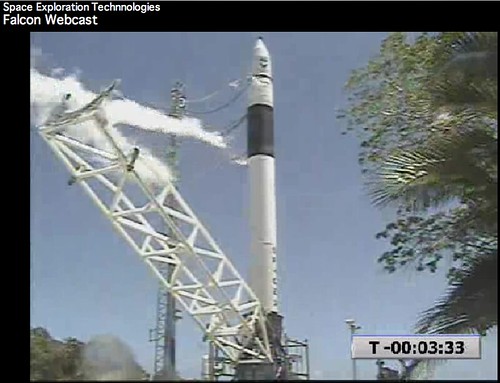
SpaceX orbital flight is a major milestone for future missions to the Moon and Mars. This achievement highlights the progress being made in human space exploration and the potential for deeper space travel.
Overview of SpaceX’s Recent Achievements
SpaceX has continued to push the boundaries of space exploration with its recent orbital flight, marking a significant achievement in the company’s ambitious plans for future missions. This orbital flight not only showcases the advanced capabilities of SpaceX’s technology but also serves as a proven milestone for humanity’s aspirations to return to the Moon and eventually reach Mars.
The successful launch has generated excitement among aerospace enthusiasts and industry experts alike. It highlights SpaceX’s commitment to developing reusable rocket technology, which is essential for reducing the costs of space travel and making it more accessible.
Key highlights of SpaceX’s recent achievements include:
- Innovative technology: The latest rocket design has demonstrated unparalleled performance, paving the way for future missions.
- Commitment to sustainability: Reusable rockets are a step towards environmentally friendly space exploration.
- International collaboration: The orbital flight has involved partnerships with various space agencies, enhancing global efforts in space science.
As SpaceX continues to refine its technology, the implications of this orbital flight extend beyond immediate success. It sets the stage for upcoming missions aimed at lunar landings and Martian exploration, cementing SpaceX’s role as a leader in the aerospace industry.
The Importance of Orbital Flights
The significance of orbital flights cannot be overstated, especially in the context of future missions to the Moon and Mars. SpaceX’s orbital flight has emerged as a proven milestone, showcasing the company’s ability to push the boundaries of space exploration. These flights serve multiple critical functions in advancing our understanding of space travel.
Firstly, they allow for extensive testing of spacecraft systems in a low-gravity environment. This is essential for identifying any potential technical challenges before embarking on deeper space missions. The data gathered from these flights can inform improvements and innovations that enhance safety and efficiency.
Additionally, orbital flights play a crucial role in validating the technologies needed for long-duration missions. As astronauts prepare for journeys to the Moon and Mars, understanding life support systems, propulsion, and navigation in orbit becomes vital. The knowledge gained from SpaceX’s orbital flight paves the way for these future explorations.
Furthermore, successful orbital missions build public and investor confidence, encouraging further investment in aerospace technology. This helps create a sustainable ecosystem for continuous exploration.
In conclusion, the importance of orbital flights is profound, as they lay the groundwork for humanity’s next giant leap into the cosmos, making SpaceX’s recent achievements a pivotal step towards our aspirations for Moon and Mars missions.
Future Missions to the Moon
With the success of the recent SpaceX orbital flight, the company is poised to take significant steps toward future missions to the Moon. This achievement not only demonstrates the reliability of SpaceX’s technology but also lays a robust foundation for upcoming lunar explorations.
The lunar missions will focus on several key objectives:
- Establishing a Sustainable Human Presence: SpaceX aims to facilitate long-term human habitation on the Moon, which could serve as a testing ground for technologies needed for Mars exploration.
- Conducting Scientific Research: Future missions will allow scientists to explore the Moon’s resources, including potential water ice, which is crucial for sustaining life.
- Testing New Technologies: The lunar environment offers a unique opportunity to test equipment and systems that will be vital for the more complex missions to Mars.
In addition to these objectives, SpaceX’s orbital flight is expected to reduce the cost of access to space, making it more feasible for both governmental and commercial entities to participate in lunar exploration. As the company continues its development and refinement of its launch capabilities, the prospect of a sustained human presence on both the Moon and Mars becomes increasingly attainable.
Mars Exploration Plans
SpaceX’s orbital flight has not only marked a significant achievement in space exploration but has also paved the way for future missions to Mars. The successful launch and return of the spacecraft demonstrate the company’s commitment to developing reliable technology for interplanetary travel.
As part of its Mars exploration plans, SpaceX envisions a series of missions aimed at establishing a sustainable human presence on the Red Planet. These plans involve:
- Testing advanced life support systems: Ensuring astronauts can survive the harsh conditions of Mars.
- Developing the Starship spacecraft: A fully reusable vehicle designed for deep space missions.
- Conducting unmanned missions: Gathering data on Mars’ surface and atmosphere to inform future human missions.
- Establishing a base on Mars: Allowing for extended stays and scientific research on the planet.
With each successful orbital flight, SpaceX inches closer to making these ambitious goals a reality. The integration of innovative technologies and collaboration with international space agencies will enhance the prospects of human exploration beyond Earth.
In conclusion, the focus on Mars exploration highlights the significance of SpaceX’s orbital flight, showcasing its potential to transform humanity’s future in space.
Technological Innovations in Space Travel
SpaceX has consistently pushed the boundaries of space technology, and its recent orbital flight marks a significant advancement in the field of space travel. The innovations developed by SpaceX not only enhance the efficiency of missions but also pave the way for future explorations of the Moon and Mars.
One of the key technological innovations is the reusability of spacecraft. By designing rockets that can return to Earth and be refurbished for multiple flights, SpaceX dramatically reduces costs and increases the frequency of space travel. This breakthrough is vital for sustained exploration efforts.
Another noteworthy advancement is the development of the Starship, which is designed to carry both crew and cargo for long-duration missions. Its capabilities allow for transporting large payloads, making it suitable for future lunar bases and Martian colonization.
Additionally, SpaceX has integrated advanced autonomous landing systems that enable precise landings on various celestial bodies. This technology ensures safer missions and opens up possibilities for more complex operations on the Moon and Mars.
As SpaceX continues to innovate, the implications of these technological advancements extend beyond orbital flights, setting the stage for humanity’s next giant leap into space exploration.
The successful SpaceX orbital flight has set a new standard for future missions beyond Earth. With each achievement, the SpaceX orbital flight paves the way for human exploration of both the Moon and Mars.
By jurvetson via Openverse