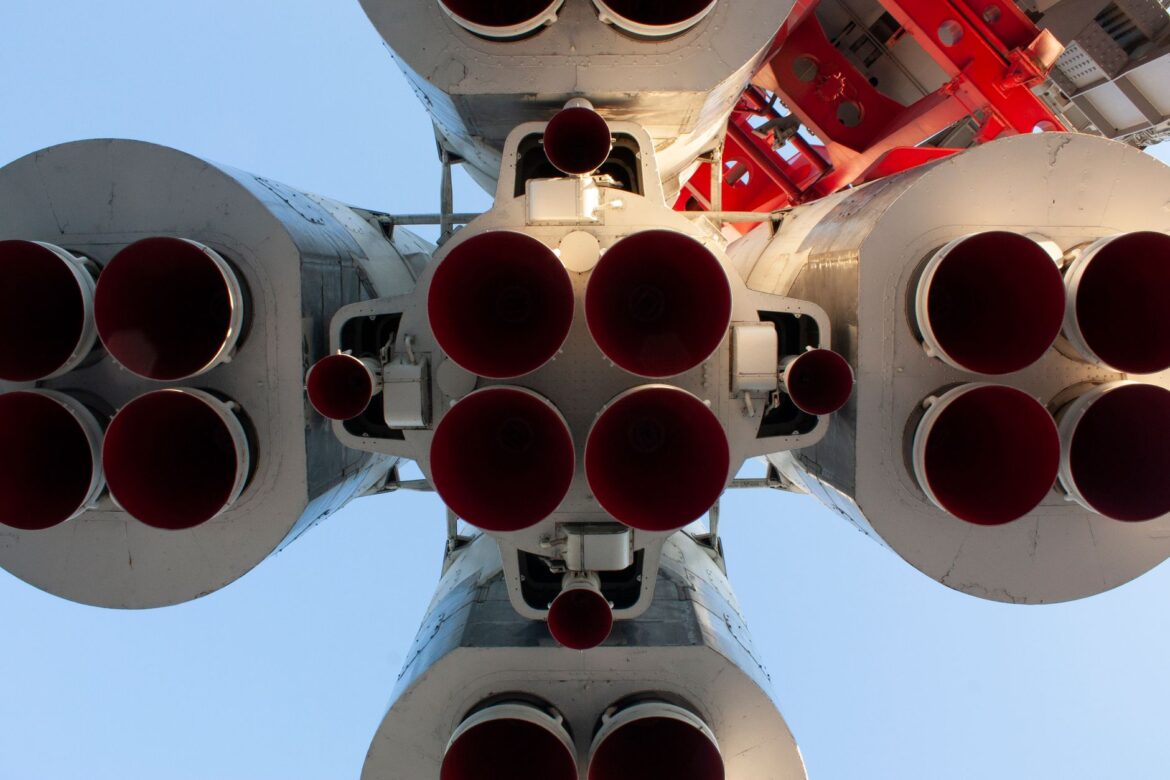
The solid-zinc hall-effect thruster is a groundbreaking innovation in space technology. This new propulsion system eliminates the need for high-pressure gas, paving the way for more efficient space missions.
Overview of Hall-Effect Thrusters
Hall-effect thrusters are a type of electric propulsion system that utilize magnetic fields to accelerate ions and produce thrust. These advanced engines are known for their efficiency and reliability in space applications. Unlike traditional propulsion systems that rely on high-pressure gas, the innovative solid-zinc hall-effect thruster offers a new approach by using solid zinc as a propellant. This breakthrough enables a more sustainable and efficient method of propulsion for spacecraft.
The operation of a hall-effect thruster involves the ionization of the propellant gas, which is then directed by magnetic fields. The ions are accelerated, resulting in thrust that propels the spacecraft forward. This technology is gaining attention for its potential to reduce fuel costs and extend mission durations, especially for deep-space exploration.
With the recent successful test of the solid-zinc hall-effect thruster by Muon Space, the aerospace industry is poised to embrace a new era of electric propulsion, potentially transforming how satellites and other spacecraft are powered in orbit.
Importance of Solid-Zinc Technology
The development of solid-zinc technology marks a significant advancement in spacecraft propulsion systems. The introduction of the solid-zinc hall-effect thruster presents several advantages that could transform the aerospace industry.
- Efficiency: Solid-zinc thrusters offer improved energy efficiency compared to traditional gas-based systems, reducing fuel consumption and operational costs.
- Reliability: This technology minimizes the risks associated with high-pressure gas systems, which can be prone to failures and leaks.
- Environmental Impact: Utilizing solid materials reduces the environmental footprint of space missions, aligning with the industry’s push towards sustainability.
- Scalability: Solid-zinc thrusters can be adapted for various spacecraft sizes and missions, from small satellites to larger exploratory vehicles.
With the successful test of the solid-zinc hall-effect thruster by Muon Space, the aerospace sector is poised to embrace a new era of propulsion that enhances performance while ensuring safety and sustainability in orbit.
How the Thruster Works
The solid-zinc hall-effect thruster operates by utilizing a combination of electric and magnetic fields to generate thrust. This innovative technology allows for more efficient propulsion in space, significantly reducing dependence on conventional high-pressure gas systems.
At its core, the thruster works by ionizing a propellant, which is then accelerated through an electromagnetic field. The solid zinc serves as a reliable propellant source, ensuring consistent performance without the complexities of gas storage. This is achieved through the following process:
- Ionization: The solid zinc is heated and converted into a plasma state.
- Acceleration: A strong magnetic field directs the ions, propelling them out of the thruster.
- Thrust Generation: As the ions exit, they create a reaction force that moves the spacecraft in the opposite direction.
This method not only enhances efficiency but also simplifies the logistics of space missions, paving the way for future advancements in propulsion technology.
Impact on Space Missions
The successful deployment of the solid-zinc hall-effect thruster marks a significant milestone for space missions. This innovative technology is poised to transform the way spacecraft are powered, providing numerous advantages over traditional methods.
First and foremost, the solid-zinc hall-effect thruster enhances efficiency, allowing spacecraft to achieve greater velocities with less energy consumption. This efficiency translates into longer mission durations and the potential for deeper space exploration.
Moreover, the elimination of high-pressure gas systems reduces the complexity and weight of spacecraft, making them more agile and cost-effective. The solid-zinc formulation also ensures a more reliable performance under various environmental conditions, which is crucial for long-term missions.
Ultimately, this breakthrough not only sets a new standard for propulsion technology but also opens up new opportunities in satellite positioning, interplanetary travel, and beyond, ensuring that future missions can explore more of the cosmos with greater sustainability and effectiveness.
Future of Space Propulsion
The successful deployment of the solid-zinc hall-effect thruster marks a pivotal moment in the evolution of space propulsion technology. As space agencies and companies aim for more sustainable and efficient solutions, this innovative thruster offers a promising alternative to conventional systems that rely on high-pressure gas.
With its ability to provide significant thrust while consuming less energy, the solid-zinc hall-effect thruster can greatly enhance the capabilities of spacecraft. This breakthrough technology not only reduces costs but also minimizes the environmental impact associated with traditional propulsion methods.
Looking ahead, experts anticipate that the adoption of solid-zinc hall-effect thrusters will lead to new possibilities in deep space exploration. These advancements may enable longer missions, increased payload capacities, and the potential for more complex scientific endeavors. As research and development continue, the solid-zinc hall-effect thruster could redefine standards in the aerospace industry, paving the way for the next generation of space exploration.
Challenges in Thruster Development
The development of the solid-zinc hall-effect thruster has not been without its challenges. Engineers and scientists faced several hurdles during the design and testing phases, which were critical for ensuring reliability and efficiency in space applications.
- Material Limitations: Zinc, while promising, posed difficulties in achieving the necessary durability and performance under extreme conditions found in space.
- Integration Issues: Incorporating the solid-zinc technology into existing spacecraft systems required extensive modifications and testing to ensure compatibility and safety.
- Cost Factors: The initial investment for research and development of the solid-zinc hall-effect thruster was substantial, raising concerns about the economic feasibility of large-scale adoption.
- Performance Metrics: Achieving optimal thrust levels while maintaining efficiency was a significant concern, as engineers sought to balance power output with fuel consumption.
Despite these challenges, the successful deployment of the solid-zinc hall-effect thruster marks a pivotal moment in propulsion technology, paving the way for future innovations in space exploration.
Conclusion and Future Prospects
The successful deployment of the solid-zinc hall-effect thruster marks a significant milestone in the evolution of space propulsion technology. This innovative thruster not only enhances efficiency but also reduces the dependency on high-pressure gas systems, presenting a sustainable alternative for future missions.
As the aerospace industry continues to face challenges related to fuel sustainability and mission costs, the solid-zinc hall-effect thruster offers promising prospects for the next generation of spacecraft. Its unique design and functionality can potentially reshape how we approach long-duration space missions, making them more economically viable and environmentally friendly.
Moving forward, ongoing research and development will focus on optimizing the performance of this thruster, addressing any technical challenges that arise. As more space agencies and private companies adopt this technology, the solid-zinc hall-effect thruster could become a standard in propulsion systems, paving the way for ambitious space exploration goals.
With continued innovation, the future of space propulsion looks brighter than ever.
Photo by Vanya on Pexels