
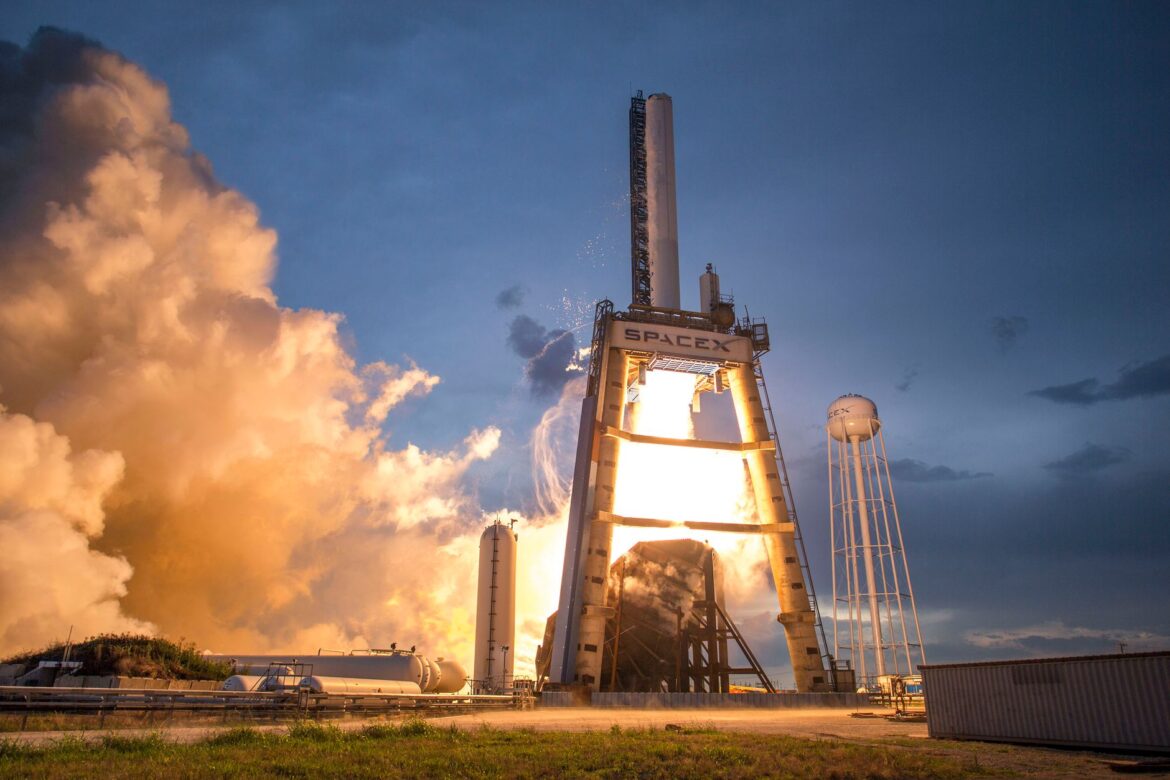
European SpaceX rival has made headlines by successfully launching a rocket into orbit. This achievement showcases the growing competition in the space sector and highlights advancements in aerospace technology.
Overview of the Launch
The recent launch of a new rocket by a European SpaceX rival has captured the attention of the aerospace community. This ambitious project aims to compete in the rapidly evolving space industry, where private companies are increasingly taking on roles traditionally held by national agencies.
The launch took place at a site known for its advanced facilities and strategic location, allowing for optimal launch conditions. This rocket represents a significant technological advancement, utilizing innovative materials and designs that promise to enhance performance and reliability.
Key features of the launch include:
- Reusability: The rocket is designed to be reused multiple times, reducing the cost of access to space.
- Payload capacity: It can carry a variety of payloads, making it suitable for both commercial and scientific missions.
- Speed: The rocket is engineered for quick turnaround times between launches, enabling more frequent missions.
Industry experts suggest that this European SpaceX rival may set new standards in rocket technology. As space exploration continues to gain momentum, the success of this launch could signal a new era of competition and innovation in the space sector.
Key Features of the Rocket
The recent launch by the European SpaceX rival has showcased several innovative features that set it apart in the competitive space industry. This rocket, designed for versatility and efficiency, aims to redefine the standards for orbital missions.
- Reusability: One of the standout features of this rocket is its reusability. Similar to SpaceX’s Falcon 9, the European SpaceX rival’s rocket can be recovered and refurbished, significantly reducing the cost of future launches.
- Payload Capacity: This rocket boasts an impressive payload capacity, able to carry large satellites and cargo into orbit. Its design accommodates various mission profiles, making it an attractive option for commercial and governmental clients.
- Advanced Propulsion: The rocket utilizes cutting-edge propulsion technology, enhancing its performance and reducing time to orbit. This innovation addresses one of the key challenges in space travel—efficiency.
- Modular Design: The modular architecture of the rocket allows for easy upgrades. This feature ensures that it remains competitive in an ever-evolving market, adapting to new technological advancements and customer needs.
- Environmental Considerations: In response to growing concerns about space debris and environmental impact, this rocket includes design elements aimed at minimizing its ecological footprint.
These key features position the European SpaceX rival as a formidable player in the space launch sector.
Comparison with SpaceX
As the European SpaceX rival continues to make headlines, a comparison with SpaceX’s established launch capabilities is inevitable. Both companies are striving to dominate the growing space industry, but they approach their goals with different strategies and technologies.
One of the primary differentiators is the launch cost. The European SpaceX rival has emphasized affordability, offering competitive pricing that challenges SpaceX’s typical fare. This could make it an attractive option for smaller satellite operators looking for budget-friendly solutions.
In terms of technology, SpaceX has a strong track record with its Falcon 9 and Falcon Heavy rockets, which have successfully completed numerous missions. However, the European SpaceX rival touts innovative engineering that promises enhanced payload capacity and efficiency. This innovation could potentially level the playing field in terms of reliability and performance.
- Launch Frequency: SpaceX has proven its ability to launch frequently, ramping up production and reducing turnaround times, while the European challenger is still in the early stages of ramping up productivity.
- Reusable Technology: Both companies are investing in reusability, but SpaceX leads the way with its successful booster recovery system.
- Market Focus: The European SpaceX rival aims to capture the European market, while SpaceX has a broader global reach.
The competition between these two companies could drive advancements in the space launch sector, ultimately benefiting the industry as a whole.
Impact on the Space Industry
The recent successful launch by a European SpaceX rival has sent shockwaves through the space industry, marking a significant milestone in the competitive landscape of space exploration and satellite deployment. This launch not only demonstrates the capabilities of the new rocket but also highlights the increasing importance of European players in a market traditionally dominated by American companies.
Industry experts believe that this development may lead to several important changes:
- Increased competition: With the emergence of a strong European contender, companies like SpaceX may face greater pressure to innovate and reduce costs.
- Diverse launch options: Customers will benefit from a wider array of launch services, potentially leading to more favorable pricing and scheduling flexibility.
- Enhanced collaboration: The success of this European SpaceX rival could encourage partnerships between European nations and private firms, fostering a collaborative approach to space exploration.
- Technological advancements: Competition often fuels technological progress, which may result in improved rocket technology and reliability across the industry.
As the space sector evolves, the ripple effects of this launch will likely be felt for years to come, prompting both established players and newcomers to rethink their strategies in an increasingly crowded field.
Future Plans for the Company
The company behind the recent successful launch has ambitious plans that extend far beyond its initial achievement. As a European SpaceX rival, it aims to carve out a significant niche in the growing aerospace market.
One of the key future initiatives includes expanding the launch schedule, with a target of increasing the frequency of missions over the next few years. This will not only cater to a rising demand for satellite deployment but also support scientific missions and interplanetary exploration.
Moreover, the company is exploring partnerships with various governmental and commercial entities to enhance its operational capabilities. These collaborations may lead to the development of new technologies, which could streamline the launch process and reduce costs.
In addition to launch services, the company plans to invest in research and development for reusable rocket systems. This move is aimed at further lowering the cost of space travel and making it more accessible to a wider range of customers.
Lastly, the company is committed to sustainability, with plans to implement eco-friendly practices in its operations. This includes using greener propellants and minimizing the environmental impact of rocket launches.
As it continues to innovate and expand, this European SpaceX rival is poised to make significant contributions to the future of the space industry.
Challenges Faced During Launch
As the European SpaceX rival successfully launched its rocket into orbit, it faced several significant challenges that tested its capabilities and resolve. These hurdles are common in the aerospace industry, particularly for new entrants aiming to compete with established giants.
One of the primary challenges was achieving the precise trajectory required for orbital insertion. Engineers had to meticulously calculate variables such as wind speed, atmospheric conditions, and gravitational forces to ensure a successful launch. Any miscalculation could result in mission failure.
Moreover, the company had to contend with technical difficulties related to the rocket’s propulsion system. Early tests revealed inconsistencies in the engine’s performance, prompting further refinements. The team worked tirelessly to troubleshoot these issues, demonstrating resilience and innovation in the face of adversity.
Another significant challenge was securing regulatory approvals. Navigating the complex landscape of aerospace regulations in Europe required extensive documentation and compliance efforts. This process delayed the launch schedule but ultimately ensured safety and adherence to international standards.
Despite these challenges, the successful launch marked a pivotal moment for the European SpaceX rival, showcasing its potential to disrupt the industry. As the company continues to innovate and tackle obstacles, it aims to solidify its position in the competitive market of space exploration.
Expert Opinions on the Launch
Experts in the aerospace industry have weighed in on the recent launch by the European SpaceX rival, praising its innovative technology and potential impact on the market. Many analysts believe that this new rocket represents a significant advancement in launch capabilities.
Dr. Emily Clarke, a space technology researcher, noted, “The efficiency of the rocket’s design allows for reduced costs and increased reliability. This could redefine how we approach satellite deployment.”
Similarly, Professor Mark Jensen, an aerospace engineering expert, commented on the rocket’s performance, stating, “The launch was executed flawlessly, showcasing advanced engineering techniques that rival even the best in the industry.”
Despite the excitement, some experts urge caution. Dr. Sarah Linton, a market analyst, expressed concern about the competitive landscape, explaining, “While this launch is impressive, the long-term success of the European SpaceX rival will depend on consistent performance and customer acquisition.”
Overall, enthusiasm remains high among experts regarding the rocket’s potential to reshape the space launch sector. As the company moves forward, the industry will be watching closely to see how it navigates challenges and capitalizes on its recent success.
- Innovative technology praised by experts
- Potential to redefine satellite deployment
- Concerns about long-term market competition
Conclusion and Implications
In conclusion, the recent launch by the European SpaceX rival marks a significant milestone in the competitive landscape of space exploration. This event not only demonstrates the capabilities of the new rocket but also highlights the potential for European companies to play a vital role in the global space market.
The implications of this successful launch are profound. Firstly, it signals to both investors and stakeholders that Europe is serious about its ambitions in space technology. The advancements made by this new competitor could spur further innovation within the industry, encouraging other companies to enhance their offerings.
Furthermore, the launch’s success may lead to increased collaboration among European nations, fostering a united approach to space exploration. As countries invest in their space programs, the European SpaceX rival could drive down launch costs, making space more accessible to various sectors, including research and commercial enterprises.
However, challenges remain, particularly in maintaining a competitive edge against established players like SpaceX. As the industry evolves, the European SpaceX rival must continue to innovate and adapt to changing demands and technological advancements.
Ultimately, this launch represents not just a victory for the company but a turning point for Europe in the global space race. With continued support and investment, the future looks promising for this emerging player in the space industry.
Photo by SpaceX on Pexels
Where this came from
Related stories
Pixxel funding round: Best Proven Investment in Space Tech · Earth-imaging satellite launch: A Smart Proven Success · YouTube Accounts for Creative Goals: A Strategic Path to Online Growth